Loading product...
ESPRESSIF SYSTEMS
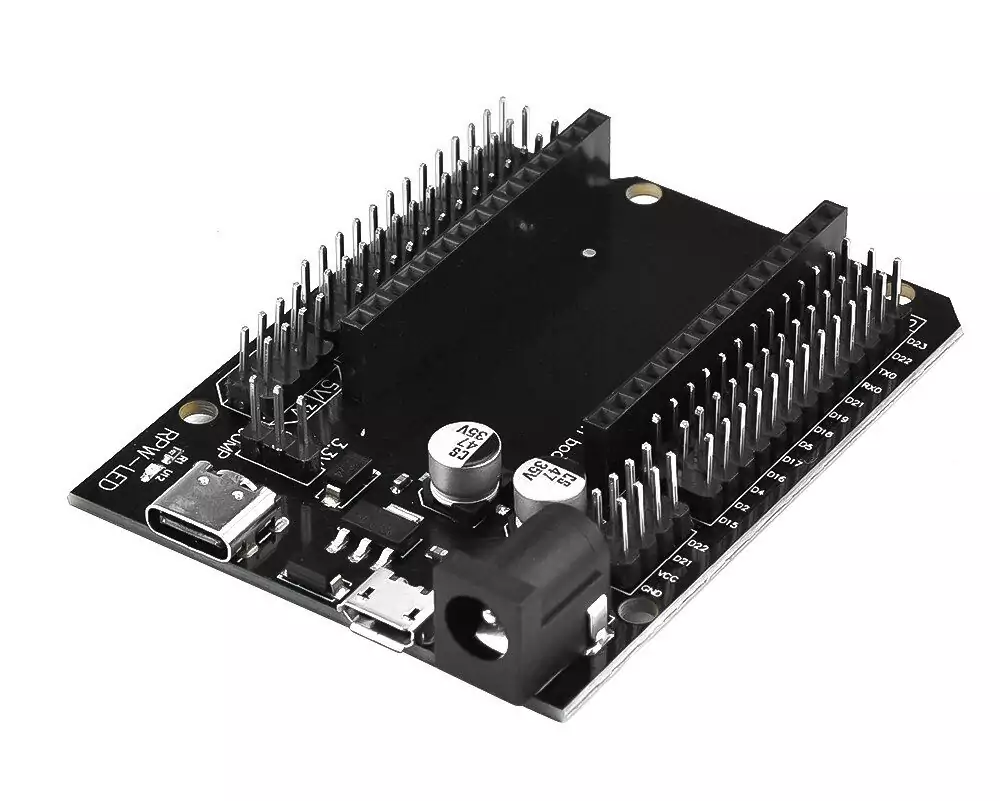
ESP32 Expansion Board
★★★★★
0.0/5 (0 reviews)₹189
₹260
27% off
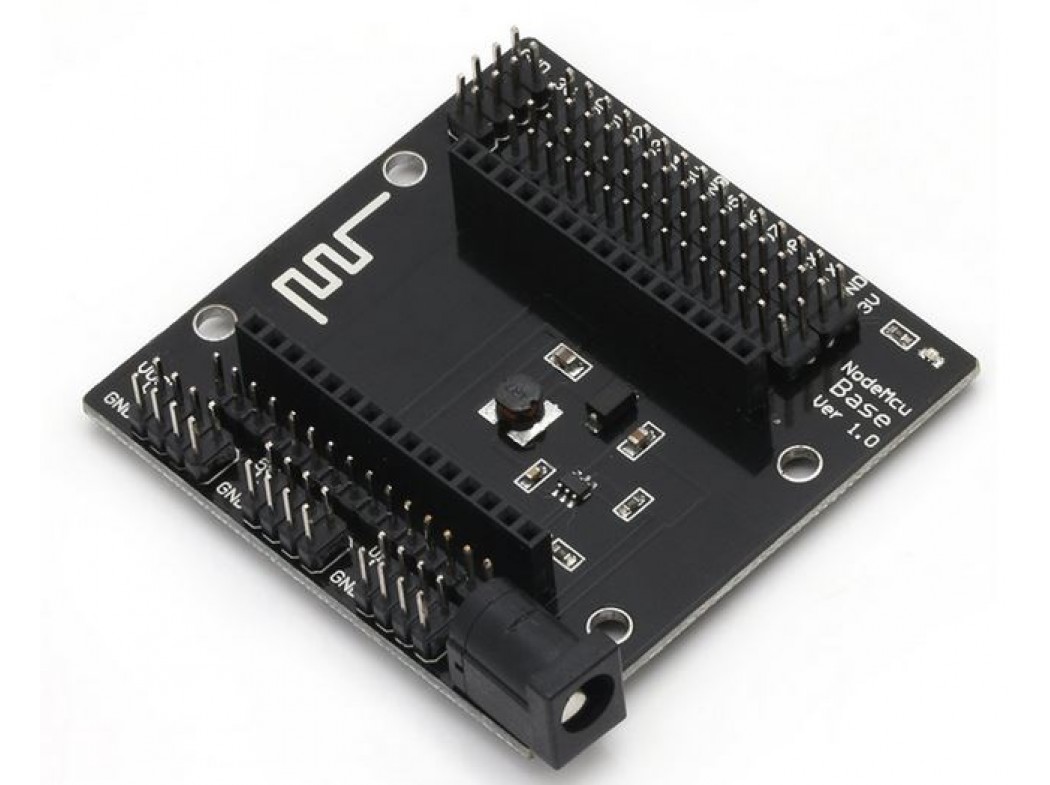
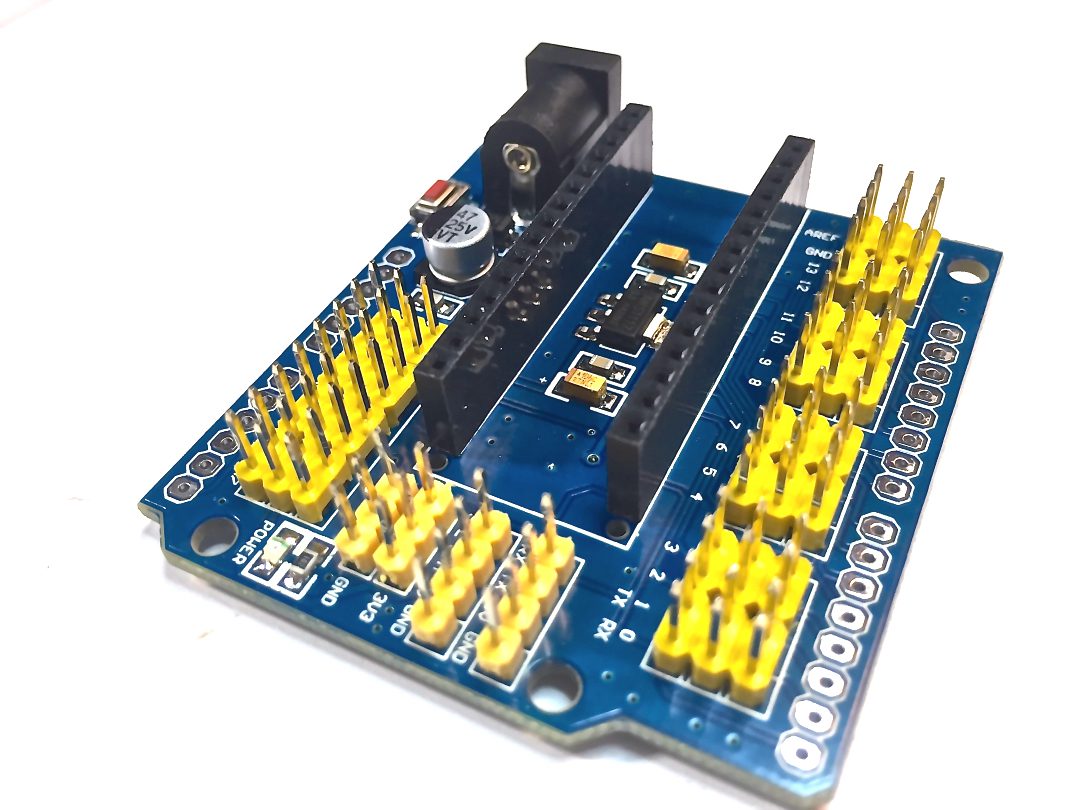
The ESP32 Expansion Board is a professional-grade interface designed to simplify the wiring of high-performance IoT projects. It is a mechanical necessity for smart home hubs, industrial monitoring, and complex robotics, as it breaks out every GPIO pin into a GND-VCC-Signal (GVS) format or secure screw terminals. Most importantly, it features an onboard voltage regulator to handle the high-current spikes of Wi-Fi.
✓ In Stock (58 available)
1
▪Advanced Power Regulation: This board is a mechanical necessity because it provides a dedicated 5V and 3.3V power subsystem, ensuring your ESP32 doesn't reset during power-heavy Wi-Fi handshakes or when driving multiple sensors.
▪Zero-Breadboard Wiring: Features a "Plug-and-Play" layout where each pin has its own power and ground, making it a mechanical necessity for complex projects like Blynk-controlled robots or multi-sensor weather stations.
▪Industrial Terminal Options: Available in a Screw Terminal variant, which provides a "locked-in" connection that is a mechanical necessity for high-vibration environments or permanent wall-mounted IoT installs.
▪Wide Voltage Input Range: Supports a wide DC input (up to 16V), allowing you to power your entire project from a single 12V adapter or Li-ion battery pack without needing external buck converters.
▪Breadboard-Friendly Footprint: While it replaces the breadboard for wiring, the expansion board itself has a compact footprint that is easy to mount inside 3D-printed enclosures or project boxes.
Compatibility
Versions available for 30-Pin and 38-Pin ESP32 DevKit V1.
Input Voltage
6.5V to 16V DC via Barrel Jack.
Output Voltage
Stable 3.3V and 5V rails for sensors and servos.
Interfaces
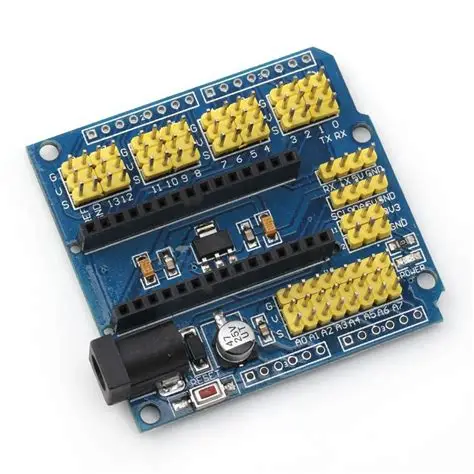
G-V-S headers (Ground, Voltage, Signal) for every GPIO.
Integrated Ports
Dedicated headers for I2C, SPI, and UART.
Onboard Controls
Physical Reset (EN) button and power indicator LED.